Mulch Buying Guide & Resources
Practical, straightforward guides to help homeowners, landscapers, and contractors choose the right mulch, find reliable suppliers, and get the best value for their projects.
Mulch buying guide blog articles
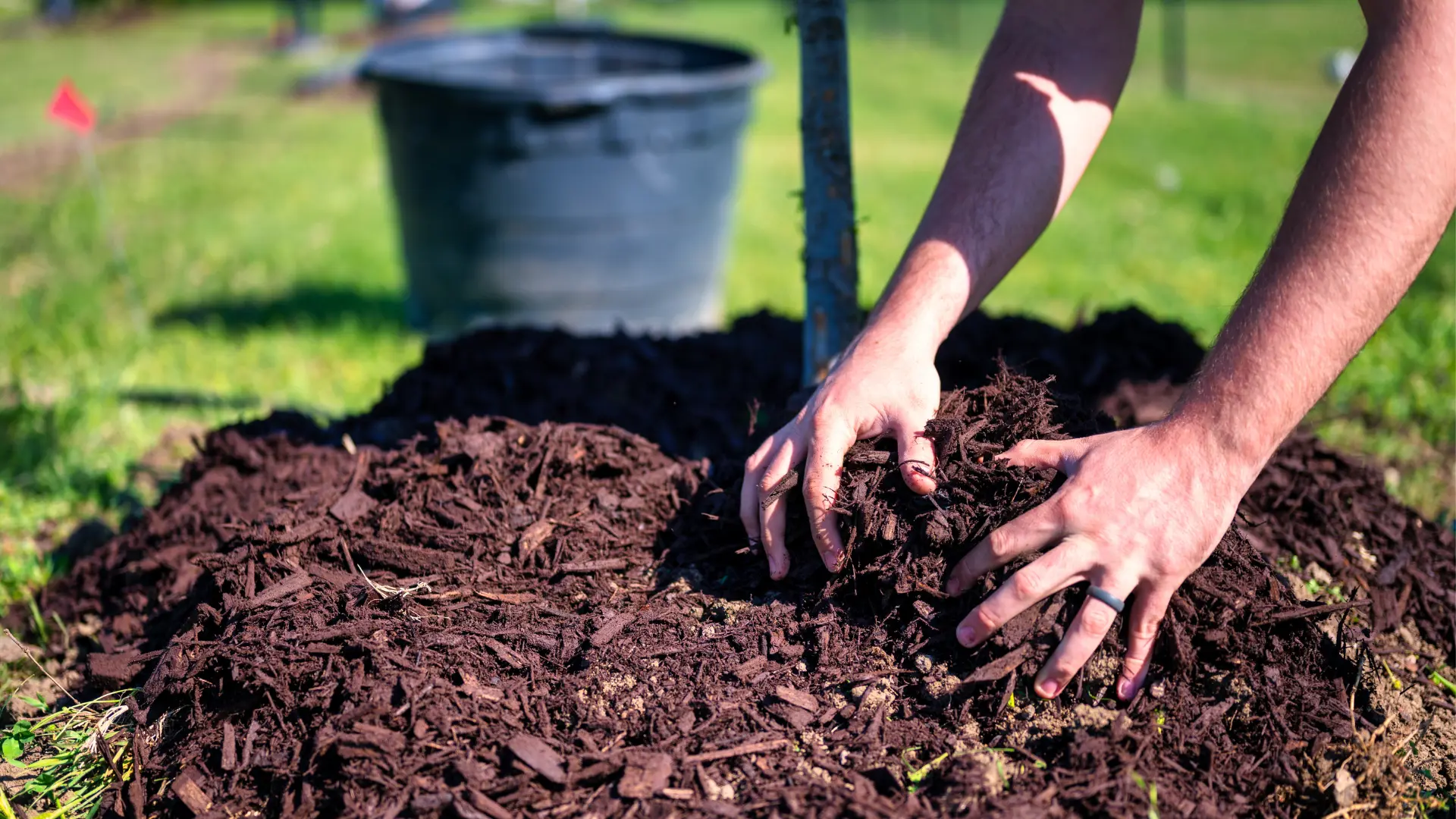
Mulch Buying Guide: Everything You Need to Know
Buying mulch seems simple until you start looking at options. Bulk or bags? Black, brown, or cedar? Delivery or pickup? What even counts as a cubic yard? This guide breaks down what you actually need to know so you can make smart decisions, avoid overpaying, and end up with mulch that works for your project.
Why Mulch Type Actually Matters
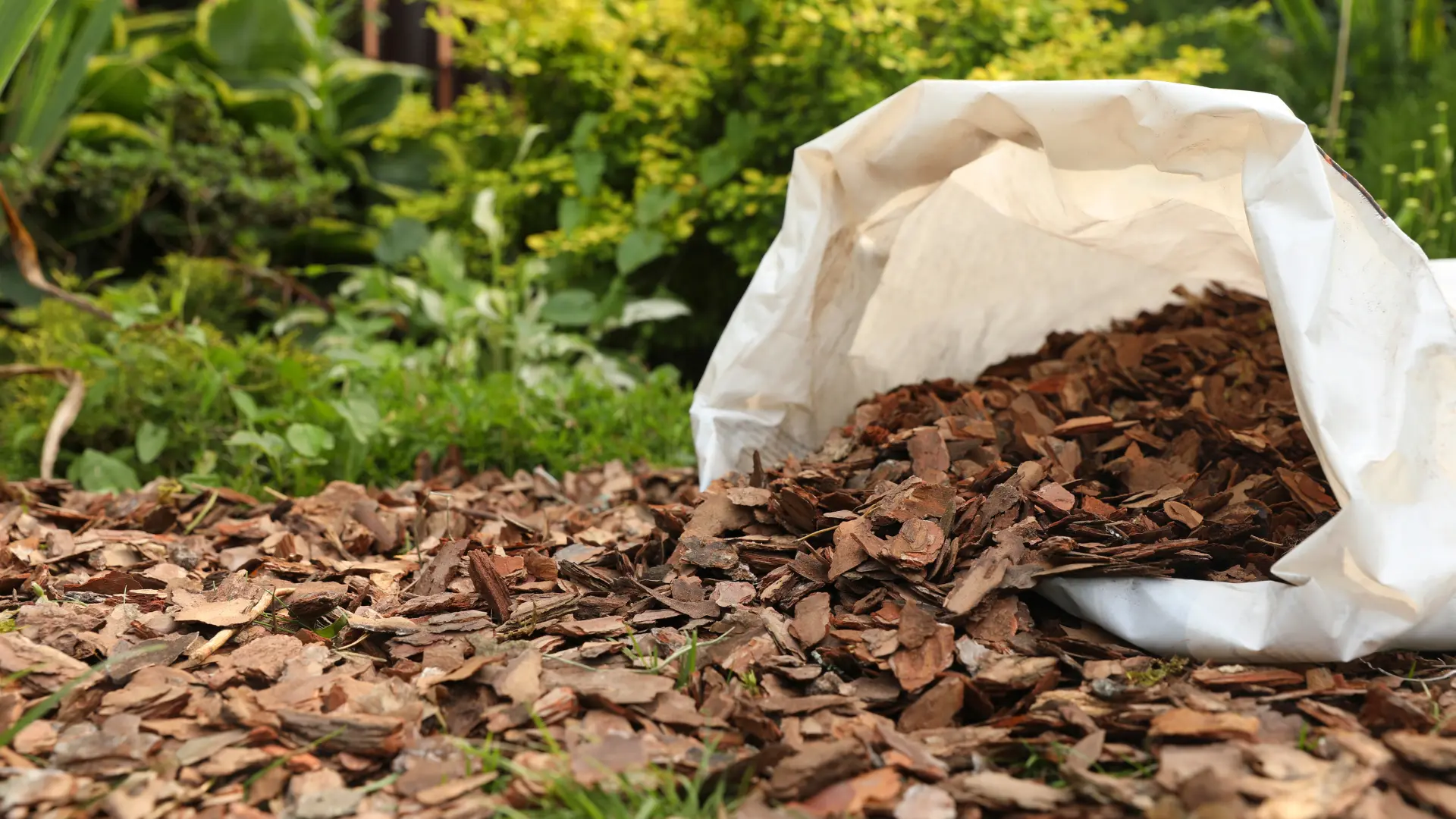
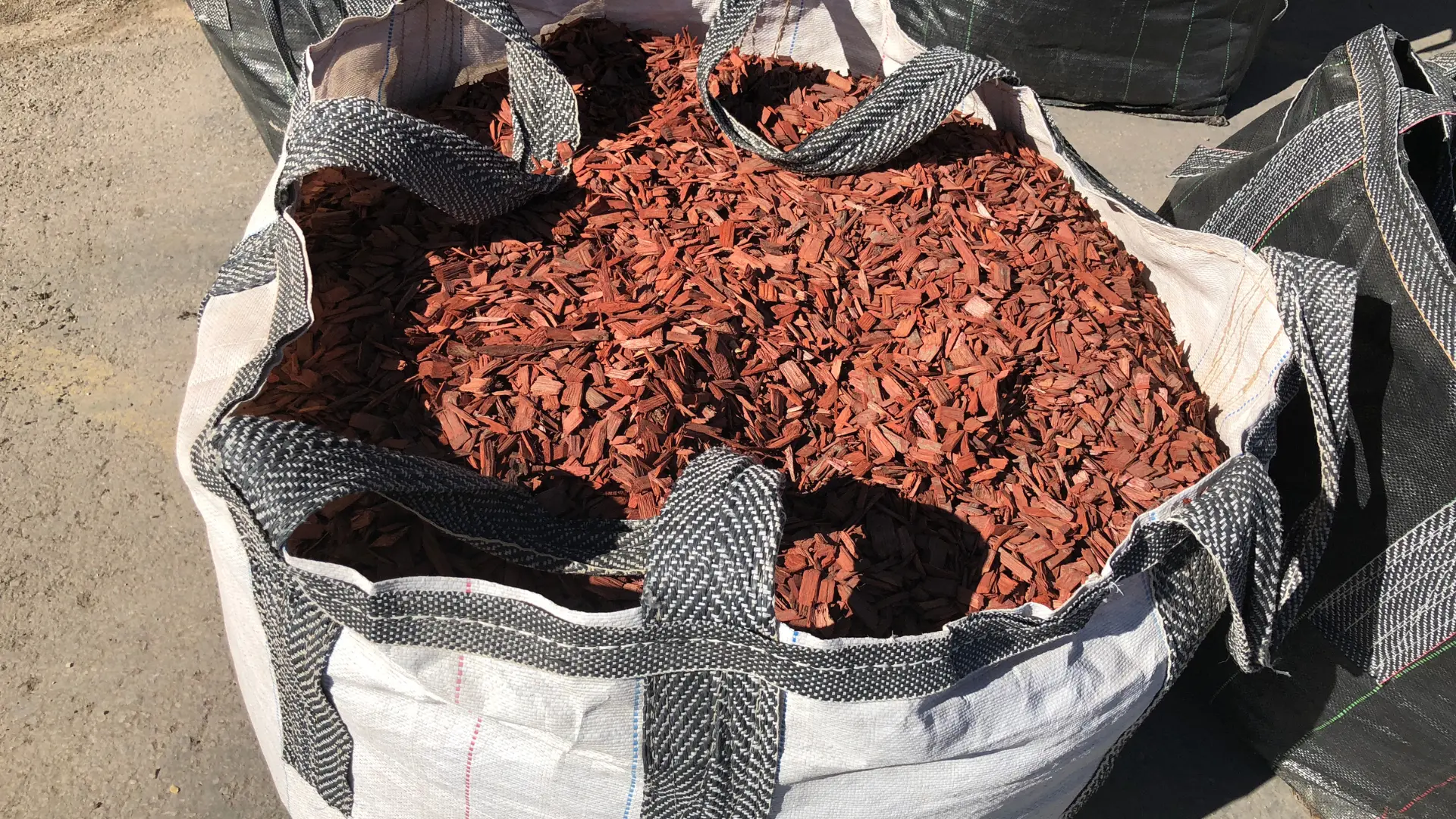
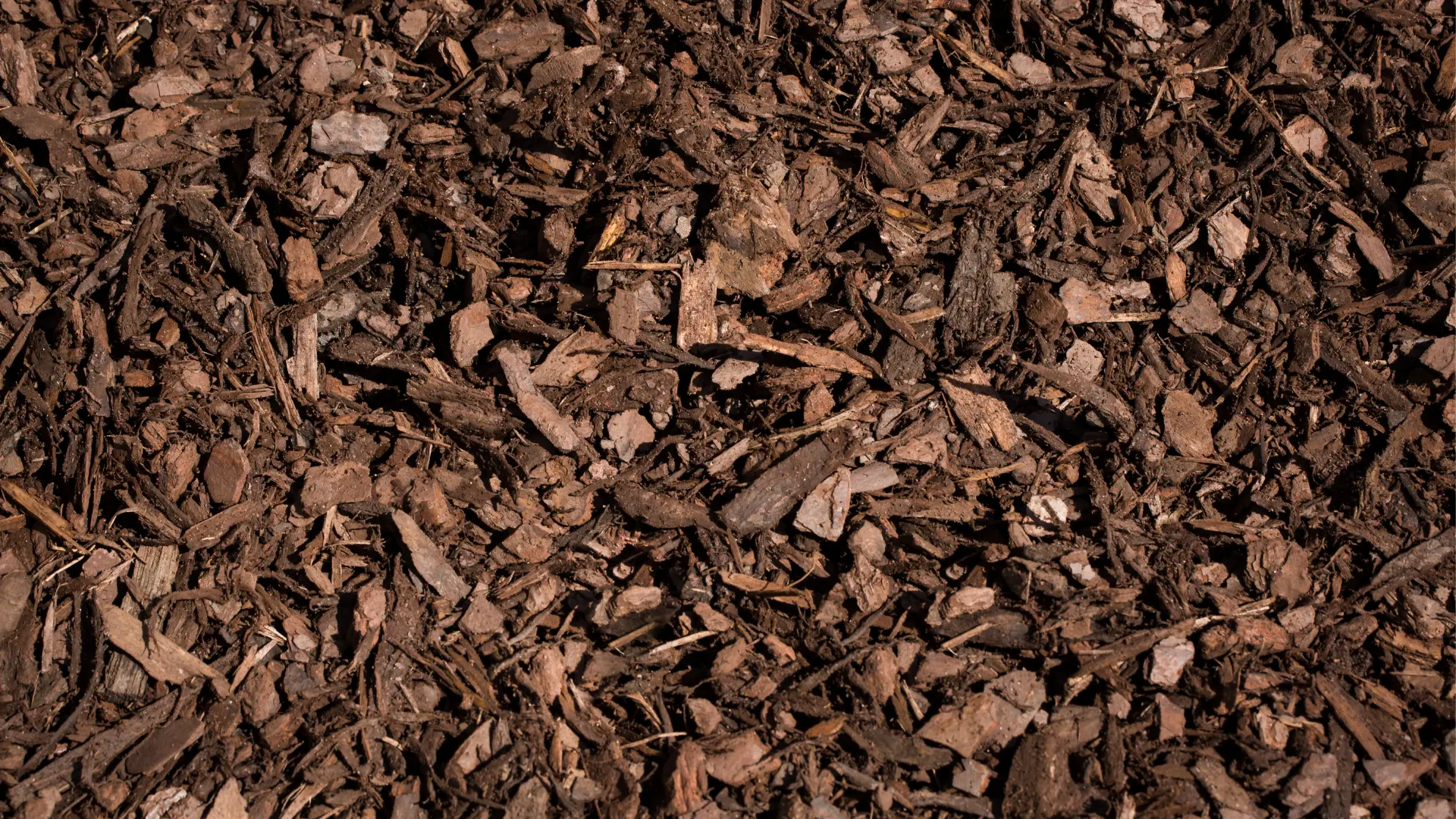
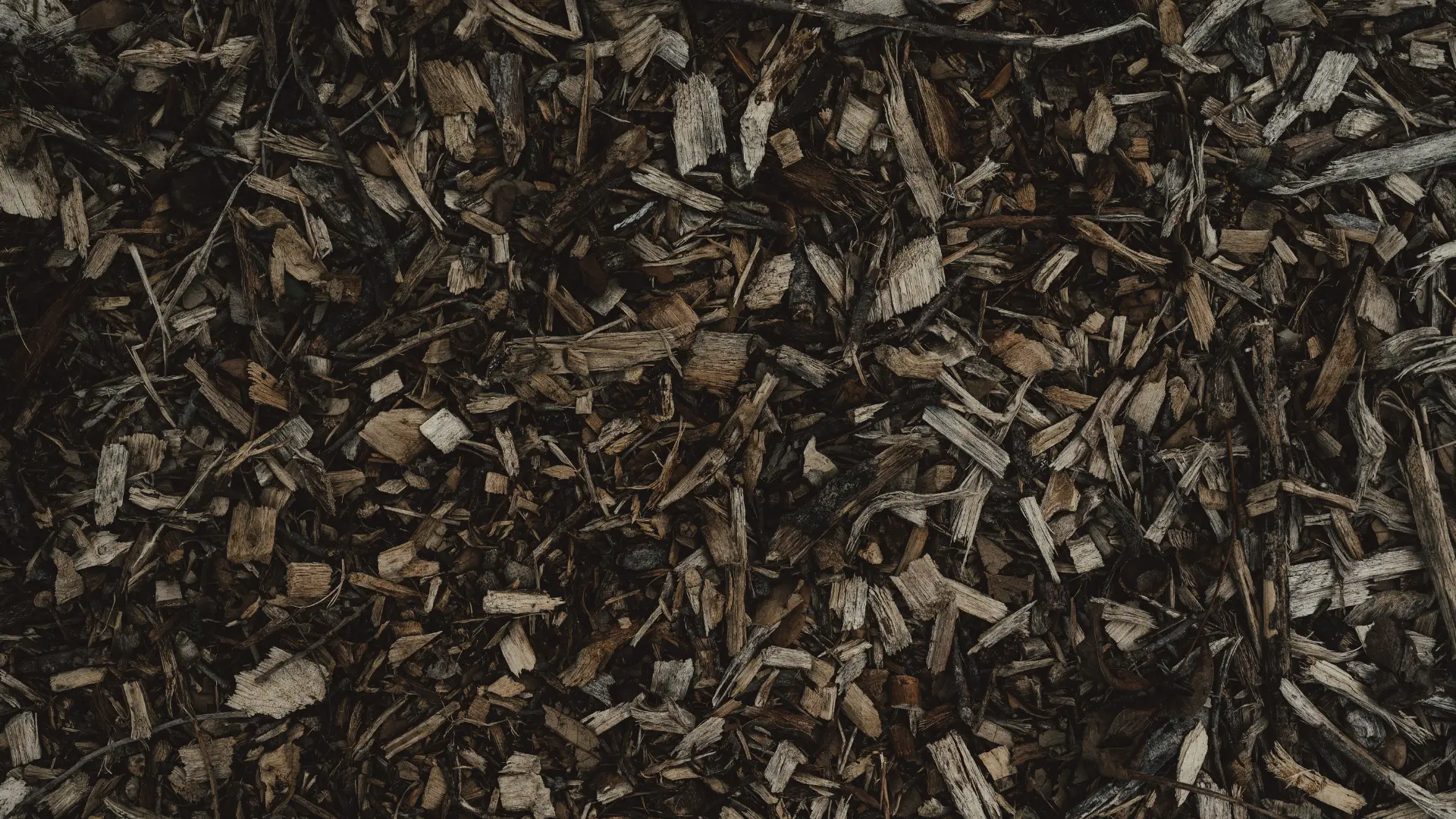
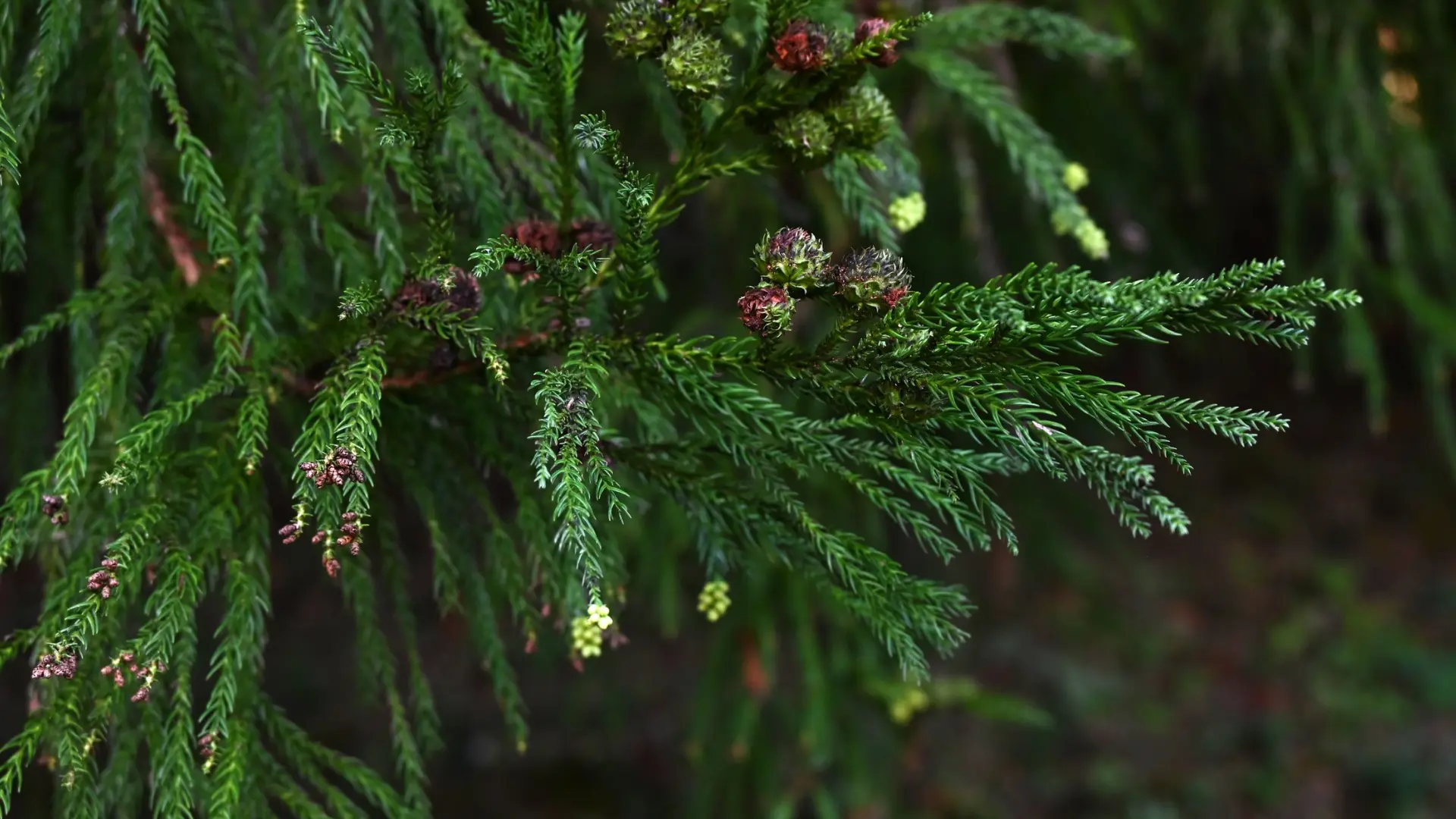
Not all mulch does the same job. Hardwood bark breaks down slowly and keeps weeds down better than most options. Cedar smells good and bugs hate it, which makes it solid for flower beds and vegetable gardens. Dyed mulch holds its color longer, which is why commercial properties and HOAs use it. Wood chips are cheap and work fine for paths or utility areas where looks don't matter as much.
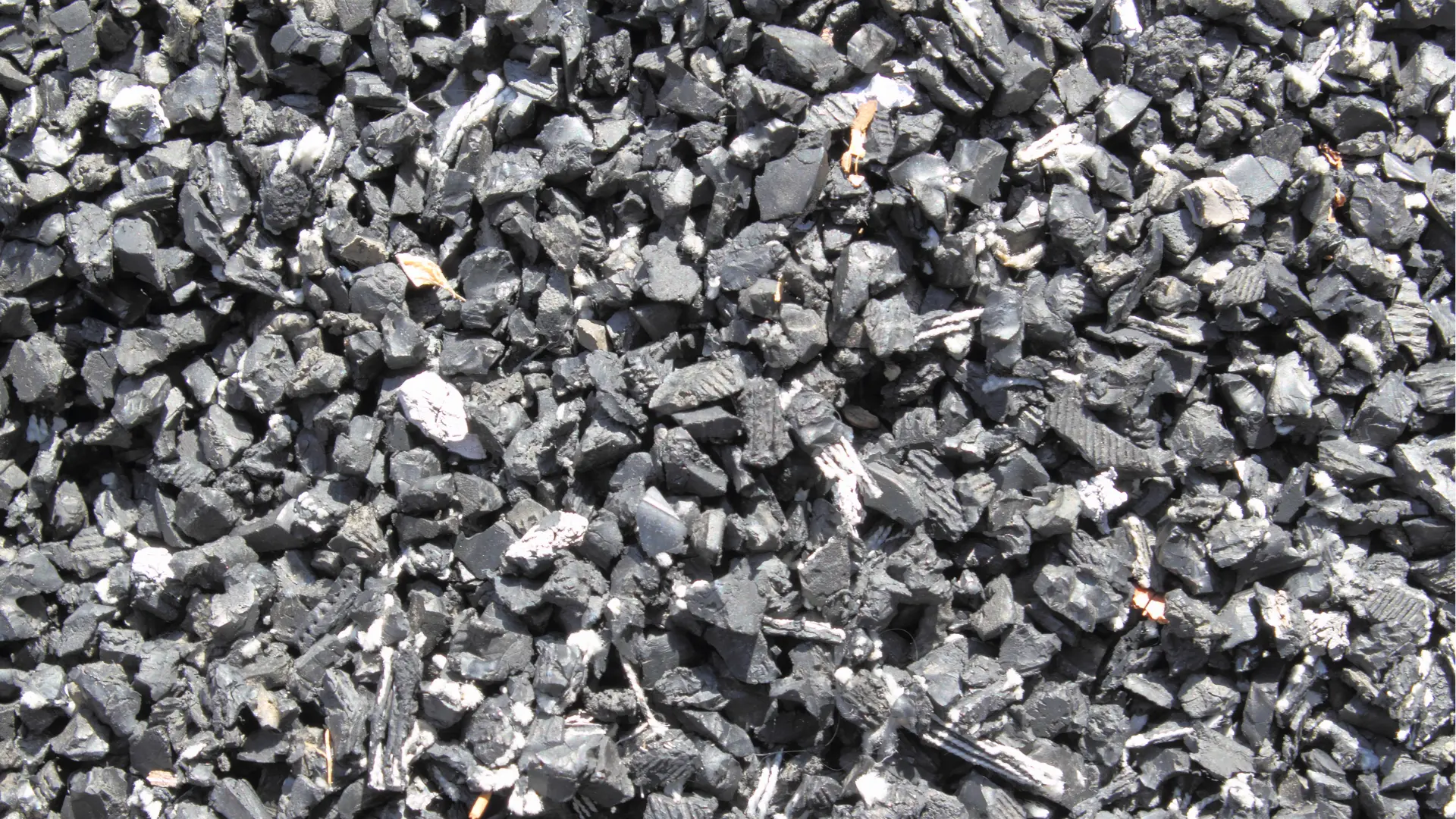
Rubber mulch lasts basically forever and is required for playgrounds because it cushions falls. Pine bark nuggets look clean and help with erosion on slopes. Each type has specific uses. Picking the wrong one means you waste money or deal with problems later. If you're not sure what fits your situation, ask the supplier what works for your climate and what you're trying to accomplish.
Bulk vs Bagged: What Makes Sense for Your Project
Bagged mulch works great if you need a few bags for small beds or touch-ups. You throw it in your car, no delivery fees, and you can store extra bags in the garage. Most bags are 2 cubic feet. Easy math: 13-14 bags equals about one cubic yard. Once you're past 10-15 bags, bulk usually costs less even with delivery fees.
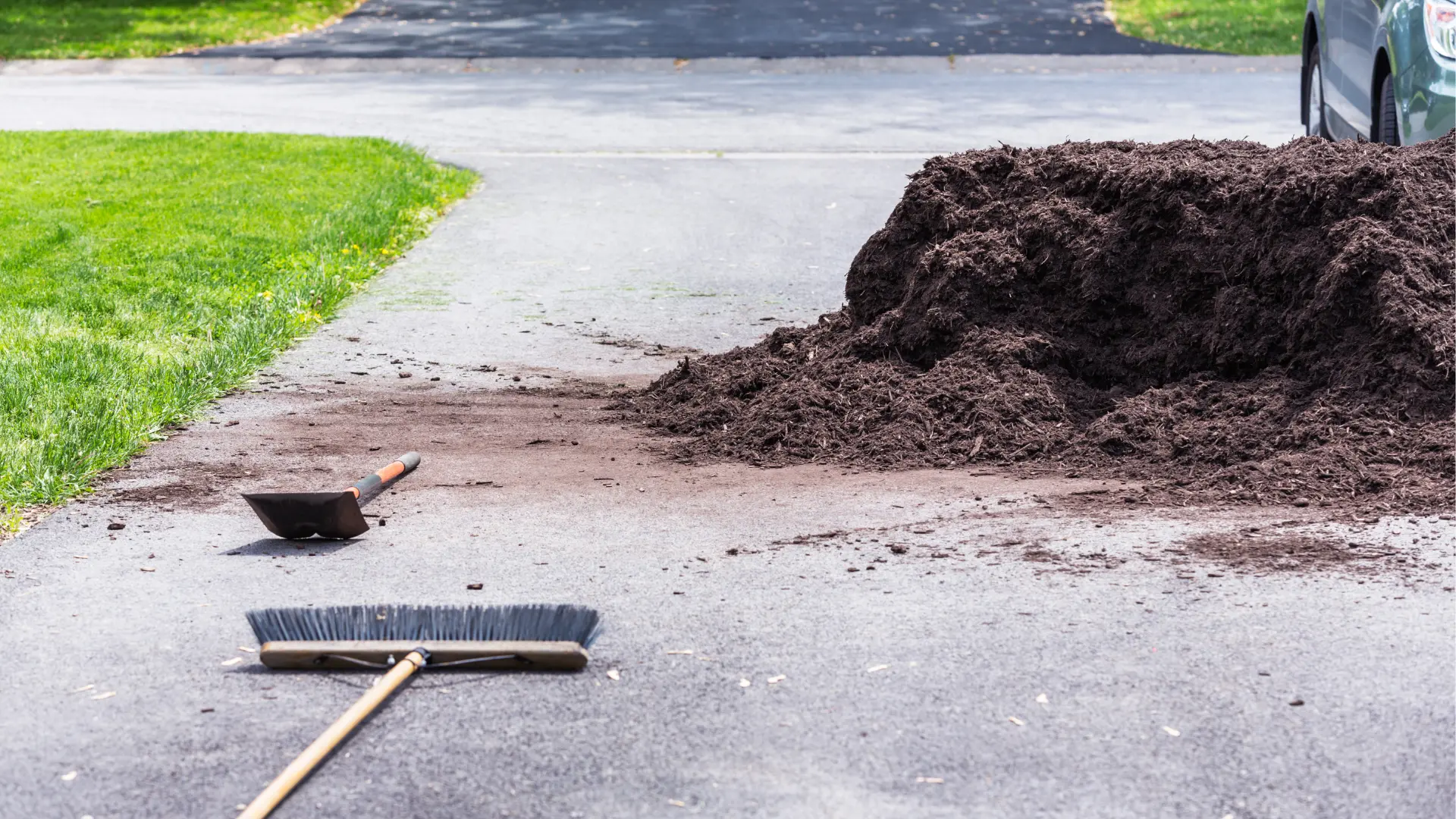
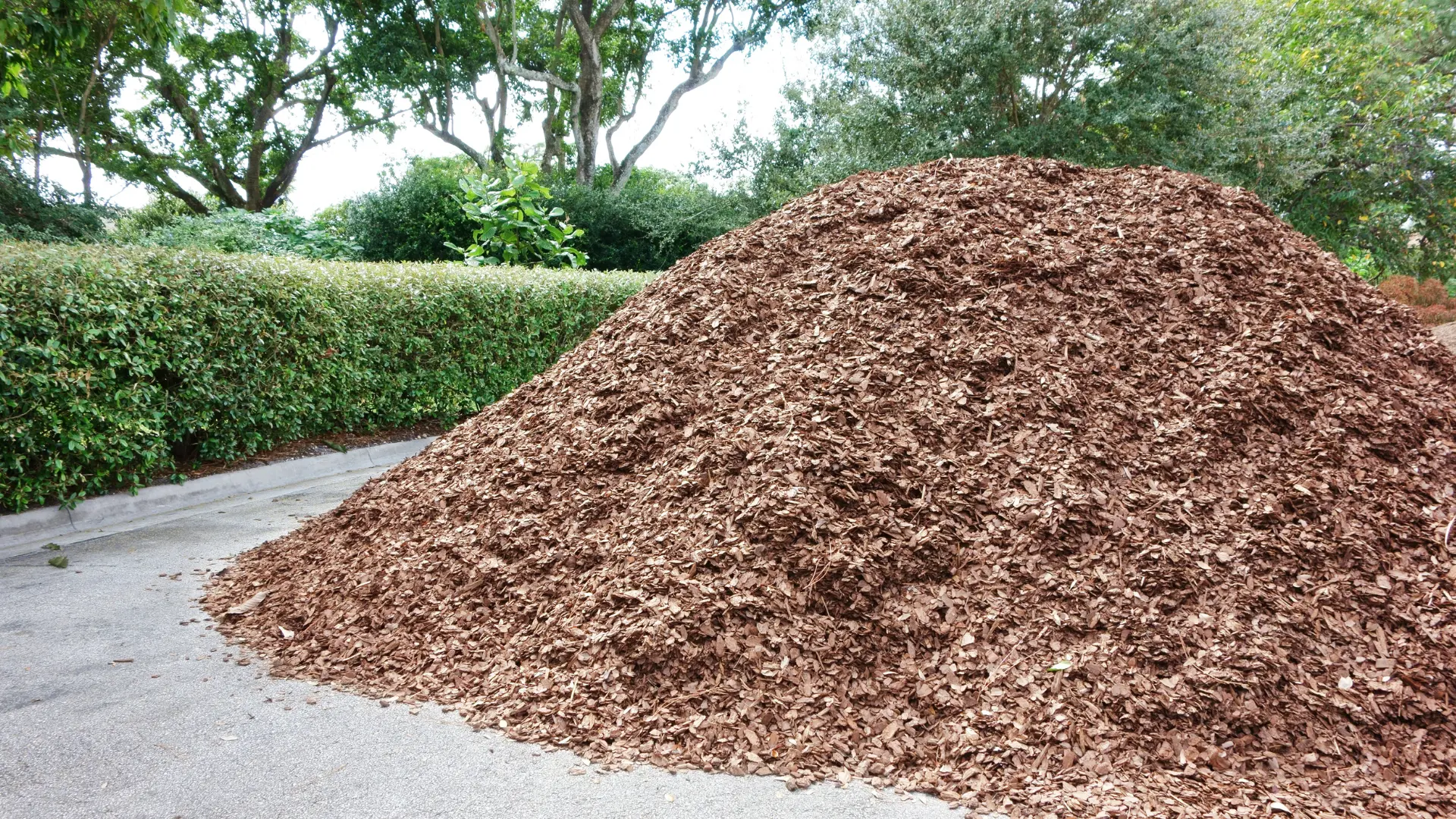
Bulk mulch gets sold by the cubic yard. Cheaper per yard than bags, but you need somewhere for them to dump it and you might hit delivery minimums. Most suppliers want 2-3 yards minimum for delivery. Good for bigger projects where hauling bags makes no sense. One cubic yard covers roughly 100 square feet at 3 inches deep. Measure your beds before ordering so you don't run short or waste money on too much.
How to Calculate How Much Mulch You Need
Most people either order way too much or not enough. Start by measuring your beds. Length times width gives you square footage. For depth, 2-3 inches works for most garden beds. Go deeper if you have bad weeds or want longer-lasting coverage. Thinner if you're just refreshing existing mulch.
Here's the simple version: one cubic yard covers about 100 square feet at 3 inches deep, 160 square feet at 2 inches, or 324 square feet at 1 inch. If you have 300 square feet of beds and want 3 inches deep, you need 3 yards. Add 10-15% extra because beds are rarely perfect rectangles and you don't want to run short. Most suppliers can help you calculate if you give them measurements.
Delivery vs Pickup: What Actually Costs Less
Delivery fees vary a lot. Some suppliers charge flat rates like $50-75. Others do distance-based pricing. If you're close to the yard, delivery might be cheap or even free for bigger orders. Far away, it adds up fast. Ask about minimums too. A lot of places won't deliver less than 2-3 yards, which makes sense when you factor in truck and driver costs.
Pickup works if you have a truck or trailer and the yard isn't too far. They usually load it for you with equipment. Self-load is cheaper but takes longer and you need shovels. For small amounts, pickup beats delivery fees. For big orders, delivery saves you multiple trips and your back. Do the math on gas, time, and whether your truck can actually handle the weight before deciding.
Finding Reliable Mulch Suppliers
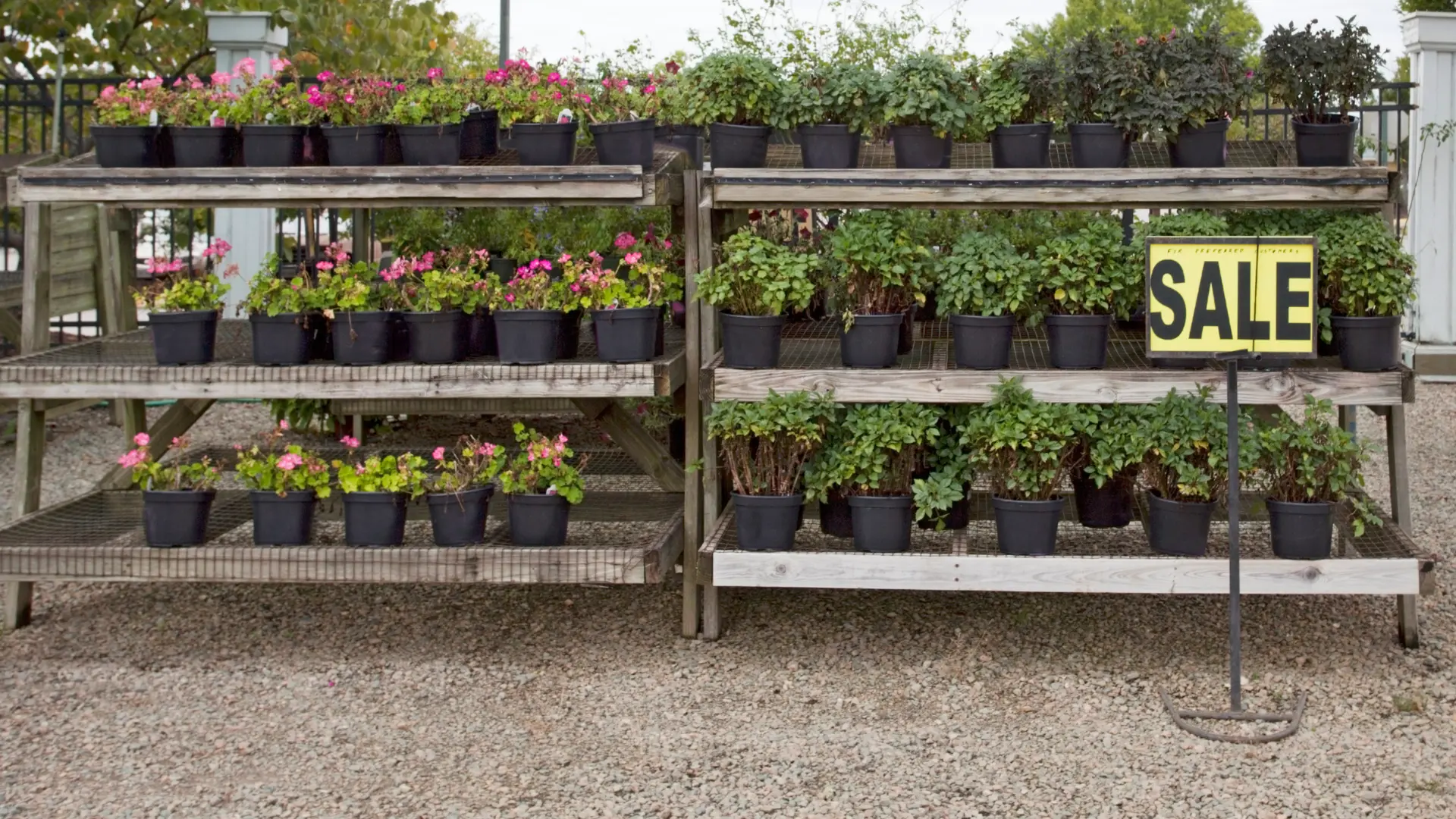
Local landscaping supply yards usually have better selection and pricing than big-box stores, especially for bulk. Garden centers work well for bagged mulch and smaller amounts. You get advice from people who know local soil and climate. Municipal programs sometimes offer free or cheap wood chips from tree trimming, which is perfect if you don't care about color or consistency.
Check reviews before ordering. Look for mentions of quality (screened vs. full of sticks and junk), delivery reliability (showed up on time vs. no-show), and customer service (helpful vs. rude). Price matters but so does getting what you paid for. Our directory lists suppliers by state and city, so you can compare options in your area without calling around.
Questions to Ask Before You Order
Before you place an order, nail down these details: What mulch types do you have in stock right now? Is it sold by the yard, ton, or bag? What's your delivery fee and minimum order? How far out do you deliver? Can I pick it up myself, and do you load it or is it self-load? How's it measured, and is the yard actually a full yard?
Also ask: Is it fresh and screened, or am I going to get sticks and chunks? For dyed mulch, is it safe for pets and plants? Any bulk discounts or contractor pricing? When's the soonest you can deliver? Where will you dump it? These questions save you from surprises and make sure you're actually getting what you need.
When to Mulch and How Often to Replace It
Spring and fall are peak mulching seasons. Spring mulch helps keep soil moist through summer and looks fresh for the growing season. Fall mulch protects plant roots through winter. You can mulch anytime, but suppliers are busiest in spring, which sometimes means higher prices or delivery delays.
How often you replace mulch depends on the type and conditions. Dyed mulch fades in 1-2 years. Natural hardwood bark breaks down and needs refreshing every 2-3 years. Cedar lasts longer. Rubber mulch basically never needs replacing. Most people top off beds annually rather than removing old mulch completely. Just add a fresh layer when it starts looking thin or faded.
Browse Mulch Suppliers by Location
Finding the right supplier saves you time, money, and headaches. Our state-by-state directory lists mulch suppliers, landscaping yards, garden centers, and municipal programs organized by city. You can compare options, see what types they carry, check delivery areas, and read reviews from other customers. Browse suppliers in your area to find the best fit for your project.
Frequently Asked Questions about Buying Mulch
Common questions about mulch types, quantities, delivery, pricing, and finding reliable suppliers.