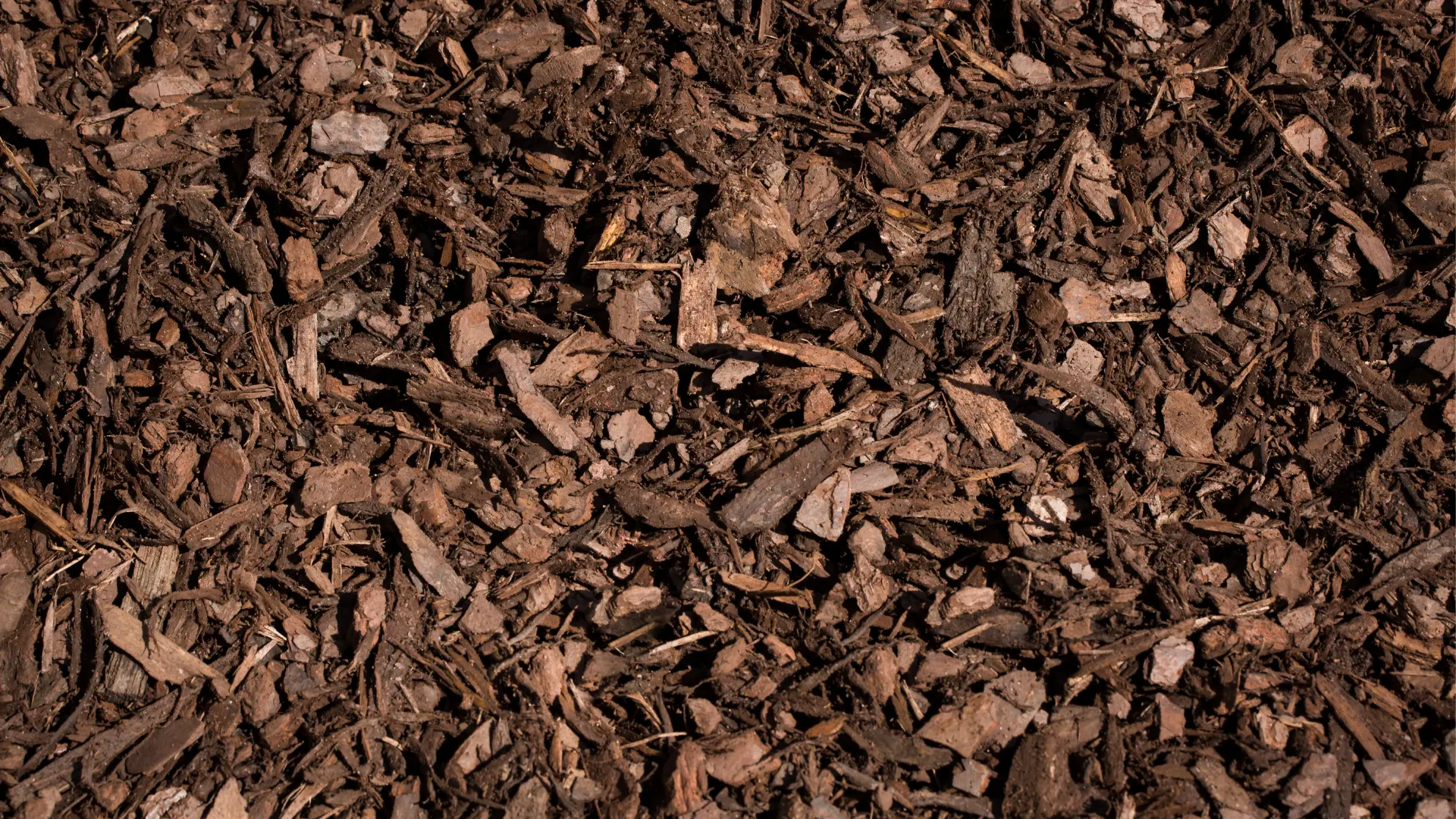
City programs: The most reliable free source
Most cities have some kind of municipal mulch program. The wood chips come from city tree crews trimming and removing trees. Here's what you can typically expect:
What you get
- Free wood chips from whatever trees the city worked on that week
- Self-serve pickup at recycling centers or public works yards
- Seasonal availability - spring and fall are best, winter is rough
- "While supplies last" - show up early or you might find an empty pile
What they'll ask for
- Proof you live in the city (ID or utility bill usually works)
- Your own truck or trailer
- Your own shovel and containers
- You load it yourself - no one's helping you
- Quantity limits like "one truckload per day" or similar
How to find your city's program:
Search online for:
- "[Your city] free mulch"
- "[Your city] wood chips program"
- "[Your city] recycling center mulch"
- "[Your city] public works yard waste"
Or call your city's:
- Public works department
- Sanitation/waste management
- Parks and recreation department
- Environmental services
A lot of cities put this info right on their website with hours and locations. Some even have maps showing you exactly where the pile is sitting.
Tree services: Free delivery but zero control
Tree companies generate mountains of wood chips. Getting rid of chips costs them money. So if you're near their job site, they'll dump a load in your driveway for free and everybody wins.
How it works
- They chip trees on-site and need somewhere to dump the load
- If you're close by, you're a convenient drop point
- You get free mulch, they save disposal fees
- Everyone's happy (in theory)
Pros of arborist chips:
- Free delivery (if you're nearby)
- Fresh chips (just chipped that day)
- Large quantities (truckloads, often 10+ cubic yards)
- Great for paths, erosion control, or areas where appearance isn't critical
The downsides (and there are several)
- Zero control over timing - they call, you say yes or no, no negotiating
- Zero control over quantity - could be 5 yards, could be 15, you find out when the truck shows up
- Mixed everything - whatever trees they cut that day, hardwood and softwood and leaves all mixed together
- They dump where the truck fits - usually your driveway, and moving that pile is your problem
- No screening - you get chunks, sticks, whatever came out of the chipper
How to get on the list:
Contact local tree services and arborists directly:
- Call or email tree care companies in your area
- Tell them you'll accept free chip deliveries
- Provide your address and access details (driveway width, any restrictions)
- Ask to be added to their "free chip" list
Most tree companies keep a list of people who'll take chips. When they're working nearby, they call down the list until someone accepts the load.
Online platforms for free chips:
Some areas have online tools that connect homeowners with tree services:
- ChipDrop - popular service where you can request free wood chip delivery (small fee to skip the line or get priority)
- Local Facebook groups - many communities have yard waste/gardening groups where arborists post when they have chips available
- Nextdoor - neighbors and local businesses often post free mulch/chip offers
What "bring your own shovel" really means
Free mulch programs say "self-service" but what they mean is you're doing manual labor. Here's the actual work involved:
Equipment you'll need:
- Truck or trailer - sedans and SUVs won't cut it for bulk mulch
- Shovel or pitchfork - shovels work for wood chips, pitchforks are better for moving loose material quickly
- Containers (optional) - some people bring bins or buckets if they only need a small amount
- Tarp - protects your truck bed and makes cleanup easier
- Gloves - fresh chips can have splinters
The physical reality
- Loading a truck bed of mulch is actual hard work
- Figure 13-15 shovelfuls to fill a wheelbarrow, multiply by however many yards you need
- Plan on 30-60 minutes of shoveling for a typical truck load
- Wood chips get heavy, especially if it rained recently
If you don't have a truck or you're not up for manual labor, "free" stops being free once you factor in truck rental and your time. Sometimes paying for delivery just makes more sense.
Hours and access:
Most municipal sites have limited hours:
- Often weekdays only (some have Saturday hours)
- Usually daytime (8am–4pm or similar)
- May close during bad weather
- Some sites require you to check in at a gate or office
Seasonal availability: when free mulch is actually available
Free mulch isn't year-round. Availability follows the tree maintenance cycle:
Spring (March–May)
Peak season for free mulch.
- Cities ramp up tree trimming before summer
- Homeowners schedule tree work after winter
- Mulch piles at recycling centers are usually full
- Best time to get fresh, consistent supply
Summer (June–August)
Moderate availability.
- Storm damage creates bursts of tree debris
- Ongoing maintenance work continues
- Piles may shrink as demand increases (everyone wants mulch for summer gardens)
Fall (September–November)
Second peak season.
- Fall cleanup and leaf removal programs kick in
- Tree work before winter dormancy
- Good time for leaf-rich mulch/compost mixes
Winter (December–February)
Low availability.
- Less tree work in cold months
- Some facilities reduce hours or close seasonally
- Piles may be frozen or snow-covered
Bottom line: Plan ahead. Get your free mulch in spring or fall when piles are full. Don't expect much in January, and don't count on finding any when everyone else is landscaping in June.
Free mulch vs paid mulch: What you're actually getting
Free mulch works for a lot of things, but it's not the same product you buy at a garden center. Here's the honest comparison:
Free mulch (typical characteristics):
- Mixed species - whatever trees were trimmed that week (oak, pine, maple, etc.)
- Inconsistent size - chunks, chips, twigs, sometimes leaves mixed in
- Fresh/unaged - often hasn't composted or broken down yet
- Variable color - natural browns, grays, sometimes greenish wood
- May contain seeds, insects, or disease - not screened or treated
- Can be "hot" - fresh wood chips generate heat as they decompose (not ideal directly around delicate plants)
Paid/commercial mulch (typical characteristics):
- Specific species - hardwood, cedar, cypress, etc. (labeled and consistent)
- Screened and graded - uniform size, no large chunks or debris
- Aged/composted - broken down to reduce nitrogen tie-up and heat
- Dyed options - black, brown, red for consistent appearance
- Quality control - fewer weeds, less variability
- Better for aesthetics - cleaner look for front yards, flower beds
When free mulch makes sense:
- Pathways and trails
- Erosion control on slopes or raw dirt areas
- Under decks or sheds
- Woodland garden beds where natural look is preferred
- Vegetable garden pathways
- Large-scale landscaping where you need volume over perfection
When you should use paid mulch:
- Front yard flower beds where curb appeal matters
- Foundation plantings around your home
- Around delicate perennials (avoid hot, fresh chips)
- When you want consistent color/texture
- Professional landscaping projects
The nitrogen tie-up thing
Fresh wood chips pull nitrogen out of the soil while they break down. Trees and shrubs don't care. Vegetables and annuals do care, especially if you mix chips into the soil instead of just laying them on top.
Fix: Use fresh chips as surface mulch only (don't till them in), or pile them somewhere and let them age for a few months before spreading them in vegetable beds.
How to use free mulch effectively
If you decide to go the free mulch route, here's how to get the best results:
1. Let it age if possible
Pile fresh chips in an out-of-the-way spot for 3–6 months. This reduces heat, breaks down large pieces, and makes it easier to work with.
2. Screen it yourself (optional)
Use a simple screening frame with hardware cloth to remove large chunks and get more uniform chips.
3. Apply thicker layers
Wood chips decompose faster than hardwood mulch, so apply 3–4 inches instead of 2–3.
4. Mix with leaves or compost
Blend free chips with bagged compost or leaf mold to improve texture and nutrients.
5. Use it strategically
Reserve free mulch for utility areas, and buy commercial mulch for high-visibility beds.
How to find free mulch near you (step-by-step)
Step 1: Check your city's website
Search for:
- "[City name] free mulch"
- "[City name] recycling center"
- "[City name] yard waste program"
Look for pages about composting, yard waste, or public works.
Step 2: Call local departments
Contact:
- Public Works
- Sanitation/Solid Waste
- Parks & Recreation
- Environmental Services
Ask: "Do you offer free mulch or wood chips to residents?"
Step 3: Contact tree services
- Google "tree service [your city]"
- Call and ask if they offer free chip delivery
- Provide your address and ask to be added to their list
Step 4: Use MulchMap
Browse MulchMap to find suppliers in your city that offer free mulch options, including:
- Municipal mulch locations
- Recycling centers with free mulch
- Tree services that deliver free chips
Filter by "free mulch" to see only no-cost options.
So should you use free mulch or not?
Free mulch makes sense if you:
- Have a truck or trailer
- Don't mind shoveling for an hour
- Can take whatever they have whenever they call
- Need it for paths, slopes, or areas where looks don't matter much
- Want to save money on big projects
Skip free mulch if you:
- Don't have a truck and don't want to lift heavy stuff
- Need matching color for your front yard beds
- Only need a couple bags worth (easier to just buy it)
- Want aged, ready-to-use mulch right now
The smart play: Use free stuff for paths, slopes, and backyard beds where quantity beats quality. Buy nice mulch for the front yard where people actually see it. Best of both worlds.