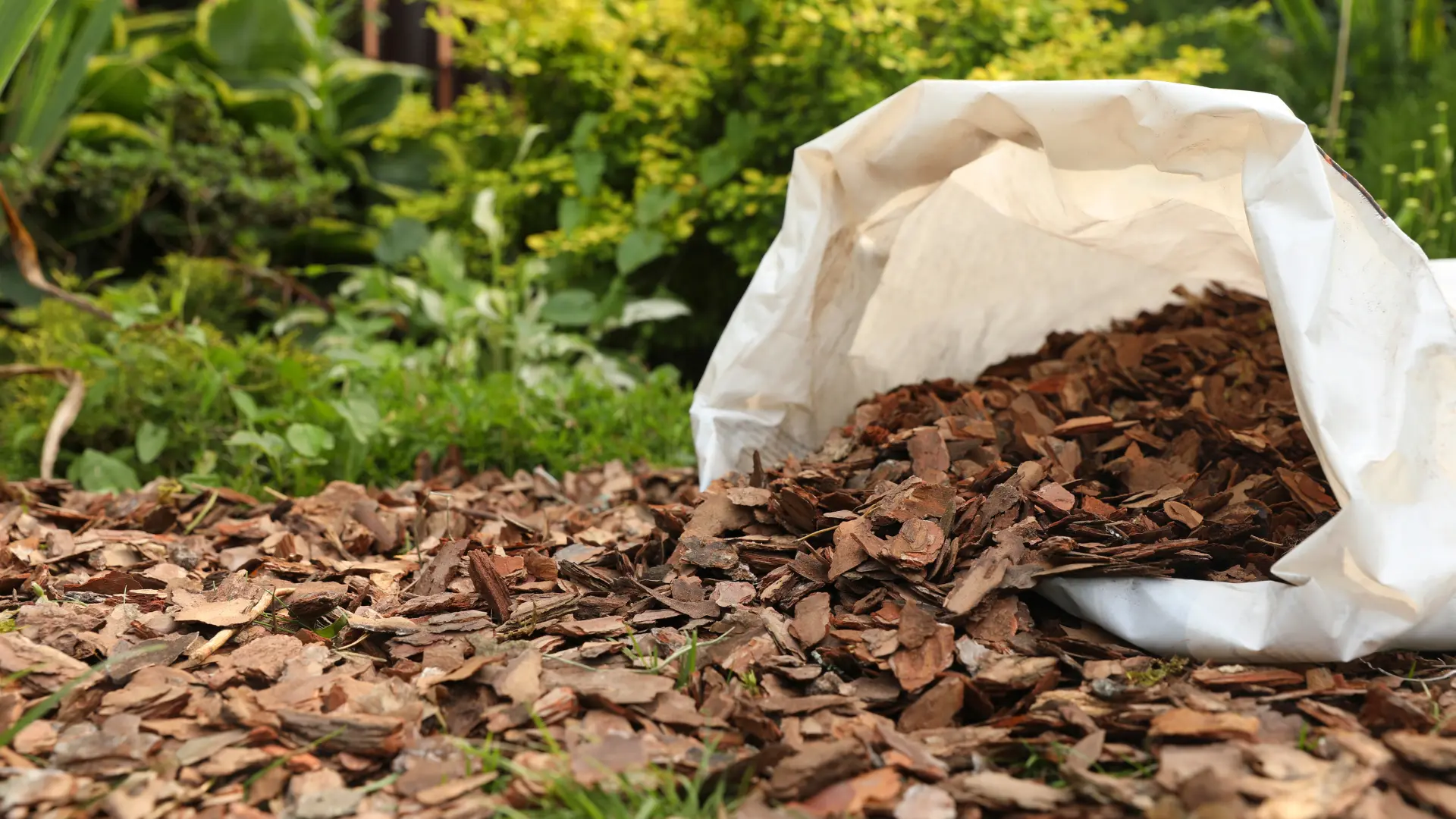
What is bulk mulch?
Bulk mulch gets sold loose without any bags or packaging. Most places measure it in cubic yards, though you'll sometimes see it sold by the ton or in less formal units like scoops or truckloads.
When someone talks about buying "mulch by the yard," they mean cubic yards. A supplier will either load it into your truck bed, or they'll deliver it and dump a pile in your driveway.
Where to find it
Landscaping supply yards carry bulk mulch as their bread and butter. Some garden centers stock it too, though selection varies. You can even get wood chips from tree services if you're not picky about what kind of mulch you end up with.
Why contractors love bulk
Professional landscapers basically never use bagged mulch. Bulk scales up way easier, costs less per yard, and you can get it delivered straight to the job site. Plus, bulk suppliers tend to carry better variety: different grades of bark, hardwood blends, screened mulch, and wood chips that you won't find on store shelves.
If you're thinking about your project in yards instead of bags, you should probably buy bulk. Covering multiple garden beds, refreshing your whole front yard, or doing any kind of serious landscape work makes bulk the obvious choice.
What is bagged mulch?
Bagged mulch comes pre-packaged in plastic bags. The standard size is 2 cubic feet, but you'll also see 1.5 and 3 cubic foot options.
The whole point of bagged mulch is convenience. You can toss a few bags in your trunk, drive home, and spread them in your garden beds without any special equipment or planning.
Where to find it
Every Home Depot, Lowe's, and local hardware store stocks bagged mulch. Garden centers carry it too, usually with better selection than the big boxes. Keep an eye out for spring sales, which can drop prices significantly.
What makes bagged mulch appealing
You don't need a truck. You don't need to schedule delivery. You can store extra bags in your garage without them turning into a gross pile. And if you only need to freshen up a couple beds or add mulch around a tree, buying 5-10 bags is way simpler than arranging for a cubic yard delivery.
Bagged mulch also comes in all the popular dyed colors (black, brown, red) which makes matching your existing landscaping easier.
Converting between yards and bags
This trips people up constantly. Bulk mulch uses cubic yards. Bags use cubic feet. You need to convert between them to compare prices fairly.
One cubic yard = 27 cubic feet
Now do the division based on your bag size:
- 2 cubic foot bags: 27 ÷ 2 = 13.5, so call it 14 bags per yard
- 1.5 cubic foot bags: 27 ÷ 1.5 = 18 bags per yard
- 3 cubic foot bags: 27 ÷ 3 = 9 bags per yard
This is how you actually figure out if you're getting a good deal. Take the cost of a yard of bulk mulch and divide by 14. Compare that to your bag price. The difference might surprise you.
Which one costs less?
Prices change based on where you live and what time of year you're buying. But the patterns stay pretty consistent.
Bulk wins on unit cost
Once you're buying 2+ yards, bulk almost always costs less per cubic foot. The savings add up fast. A yard of bulk hardwood mulch might run you $30-40 delivered. That same volume in bags could easily hit $50-70 even on sale.
But don't forget the hidden costs. Delivery fees can run $50-100 depending on how far you are from the supplier. Some places require minimum orders of 2-3 yards. If you're picking up yourself, you might need to rent a trailer. And you'll definitely need a wheelbarrow, tarp, and a free afternoon to spread it all.
Bagged works for small jobs
When you only need half a yard or less, bags make way more sense. You avoid delivery fees and minimums. You can grab exactly what you need. And yes, you're paying more per cubic foot, but your total out-of-pocket is still lower than bulk.
Plus big box stores run sales all spring long. Those "5 for $10" promotions can actually compete with bulk pricing if you catch them at the right time.
When you should buy bulk mulch
Bulk makes sense when you're working at landscape scale. Here's when to go bulk:
You're covering serious square footage
Multiple garden beds, a full front yard refresh, or anything where you're thinking "I need several yards of this stuff." Once you hit 2-10 yards, hauling bags becomes absurd. Bulk is the only sane option.
You can handle delivery or have a truck
Delivery makes bulk mulch ridiculously easy. A dump truck shows up, drops a pile in your driveway, and you spread it over the next few days. If you've got a pickup truck or can borrow one, even better. You can load up and save the delivery fee.
You want better mulch options
Bulk suppliers stock stuff you'll never find in bags. High-quality bark mulch, screened hardwood, specific wood chip sizes, even specialty blends for specific plants. The selection destroys what you get on store shelves.
You're doing this professionally
If you're a contractor or landscaper, bulk is how you operate. Period. Better pricing, predictable volume, delivery scheduling. Nobody doing landscape work at scale uses bagged mulch.
When you should buy bagged mulch
Bagged mulch wins when the job is small or you're limited on logistics. Go bagged when:
You're touching up a couple beds
Refreshing two garden beds, adding mulch around a tree, filling in a narrow border. Buy 5-20 bags and you're done. Clean and simple.
Your driveway won't work for bulk delivery
Tight driveways, apartment or condo living, anywhere you can't have a dump truck drop a pile. Bagged gives you way more flexibility on where and how you get mulch.
You don't have a truck
Your sedan or SUV can handle 10-15 bags no problem. Won't smell great, but it works. Bagged lets you avoid renting a truck or borrowing one from a friend.
You want specific dyed colors
Black, brown, or red mulch in bags shows up everywhere in spring. Bulk suppliers carry dyed mulch too, but bagged is usually the fastest way to get consistent color for smaller projects.
The logistics nobody warns you about
Everyone focuses on price. But storage and transport create real headaches if you don't plan ahead.
Storing bulk mulch
That delivery truck is going to dump a pile somewhere. Pick the spot carefully. Put down a tarp first to make cleanup easier. Keep it out of low spots where water pools. If rain is coming, cover it loosely. Don't seal it completely or it can generate heat as it decomposes.
Plan to spread bulk mulch within a week or two. Letting it sit for months leads to compaction, decomposition, and a general mess.
Storing bagged mulch
Stack bags in your garage or shed and forget about them. Just keep them out of direct sun (the plastic breaks down) and don't store them sealed up in extreme heat. Trapped moisture can grow mold.
Picking up bulk yourself
One cubic yard looks bigger than you think. Make sure your truck or trailer can actually handle the weight, especially if the mulch is wet. Bring straps and a tarp. Most suppliers will load you with a skid steer, but some are self-load only, so ask first.
Hauling bagged mulch
Bags are easier, but they still add up. Don't overload your car (I've seen rear bumpers dragging). Protect your interior with a tarp. And remember that multiple trips to grab more bags becomes the hidden cost of choosing bagged.
Just tell me which one to buy
Here's the simplest way to decide:
Go with bulk if you need:
- More than 14 bags worth (about 1 cubic yard), especially if you need 2+ yards
- Delivery to avoid multiple truck trips
- A full landscape refresh, not just touching up a few spots
- Better pricing per volume and don't mind the extra planning
Go with bags if you need:
- Less than a yard total
- To transport everything in your car
- Zero hassle, zero planning, just grab and go
- A quick weekend touch-up project
Still stuck? Here's the tiebreaker: Do you care more about saving money or saving time? Bulk wins on cost. Bagged wins on convenience. Pick whichever matters more to you.
Finding suppliers who actually have what you need
This part drives people crazy. You Google "mulch near me" and get a mix of garden centers, landscape companies, and random listings that may or may not actually sell mulch.
Then you start calling around. Half the places don't carry bulk. The ones that do have weird minimums or won't deliver to your area. Meanwhile you've burned an hour on the phone and still don't have mulch.
A directory makes this way easier. You can:
- See which suppliers actually carry bulk vs bagged
- Check delivery areas and minimum orders upfront
- Compare pricing without calling 10 different places
- Read reviews from people who already bought from them
That's what MulchMap does. Find suppliers in your city, filter by what you actually need, shortlist 2-3 options, make one phone call, and order. Way better than the old "call everyone and hope" method.
Bottom line
There's no universal "better" option here. Bulk and bagged both work great. You just need to match them to your situation.
Big project, want to save money, can handle delivery or have a truck? Buy bulk. You'll save serious cash and get better mulch options.
Small project, limited on transport, want this done in one afternoon? Buy bags. Pay a bit more per cubic foot, but your total cost stays low and you avoid all the logistics.
And honestly, the fastest way to make this decision is to just figure out how much mulch you actually need. Once you know your square footage and depth, the math tells you which format makes sense. After that, it's just about finding a supplier who can get it to you.